
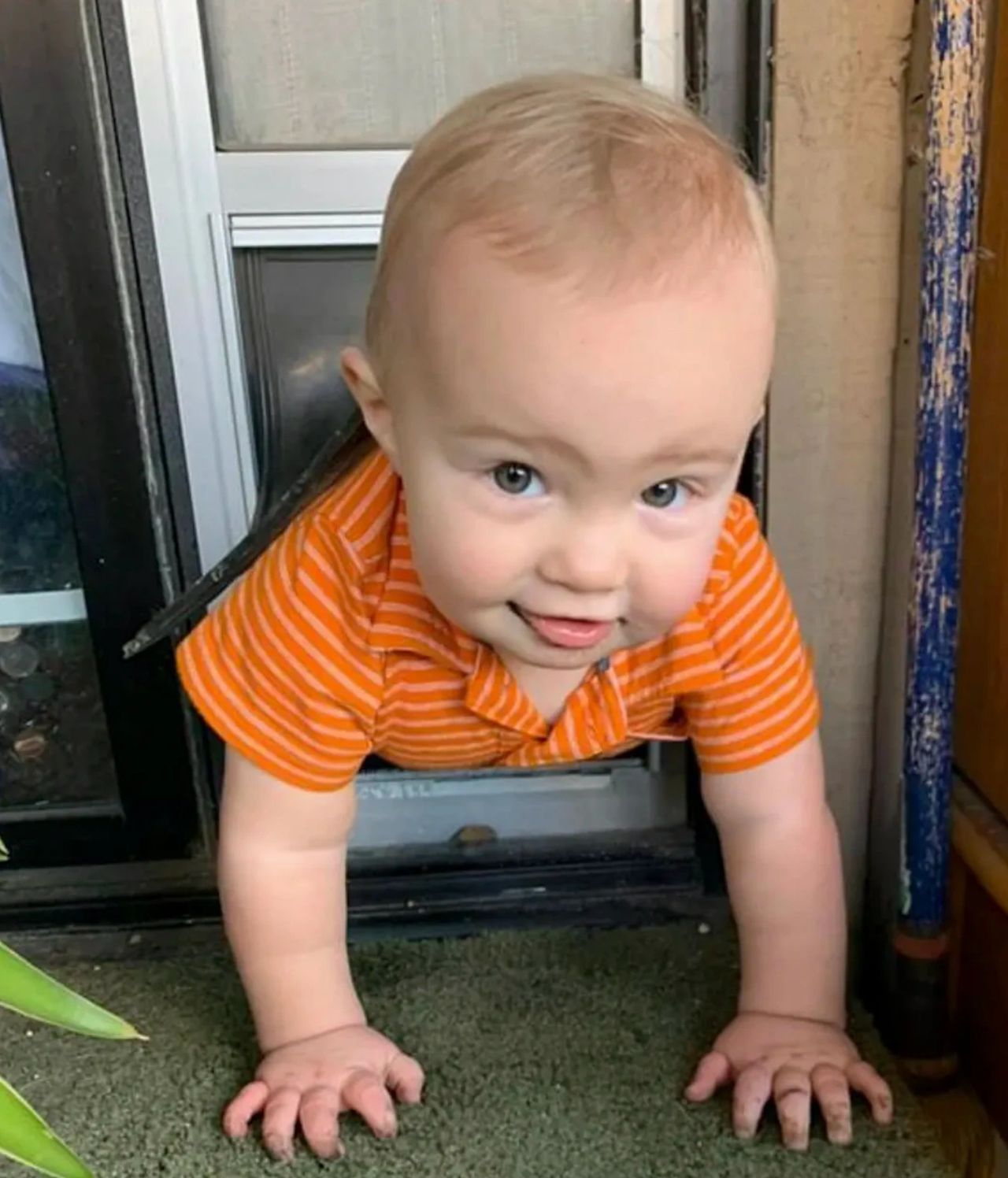
The work we do today sets the foundation for a better future - helping children now for a more prepared adulthood . Whether our role is parent, teacher, neighbor, friend, or family member, the responsibility lies with you, me, and ultimately, us, working together for the benefit of children.
(This is a draft in progress. We "published" so that we could get feedback to add more/ refine and add photos. We would live to hear your feedback/ get input / add a new section called "experiences- LIKEaBIKE stories from caregivers". )
KOKUA Bikes USA works throughout the year to provide knowledge, inspiration, new equipment, and spare parts for maintenance. Please call on us to help.
Why? We believe that investment in children returns compounded benefit. The earlier we start with "learn by play" (think Montessori), the learning enables a more in depth next step, and on and on. In the following outline we start with "Gross motor development" which leads to "active life with exercise built-in."
I've become a sort of confidant to many as a cycling coach since 2009, and working with KOKUA Bikes since 2014. I appreciate the openness and frankness when I hear "I never learned to ride a bike", " I didn't learn until I was an adult", "I taught my college roommate how to ride", and most recently, "Our daughter never learned to ride a bike and we think that is why she has difficulty judging curves while driving a car, leading to car damage."
I get it. I absolutely see it in my artist brain. This is why we seek to place LIKEaBIKE on all school play yards so that children can learn socially, without pressure.
I was just reading the teaching philosophy of musician Aram Bedrosian - From the Northern Vermont University website,
"His essential teaching philosophy is centered on relaxed positive reinforcement and adapting the teaching of essential knowledge to the student's particular learning style."
This really makes sense, how can we achieve this through bikes?
Let's look at the areas of whole child development as it relates to bike.
gross motor development
- coordination through repetition - Take caution to not confuse short initial duration of activity as disinterest. It takes time to build stamina. Because children are usually so "high energy", running all over, we think that they can ride for a long time. Start with 90 seconds a day.
- balance through muscle development - Riding a balance bike will use different muscles than normally used, ..... a lot of muscles. Just like planning a dinner party, connecting tiny muscles, like details of your event, involves coordination. The more you plan events, repetition, the better you get.the easier the task becomes. "Before I could do little, now I can do more."
- control through coordination and balance - With repeated attempts and muscle development, children will develop control. Riding straight then veering left or right. Add a cone or a toy to "circle around", "see if you can ride around the tree, starting on the left side this time." "Are you turning clockwise or counter clockwise?" Talking about control helps children become aware that they are indeed in control!
social and emotional skills development
- self concept - "I am...... able to ride a bike. able to stop when I want to. able to explore ...... able to.......
- determination "I will do this...... When learning something new, we all need to convince ourselves first. Start small, lots of animated "so cool" and SMILES!
- self-confidence "I can do a lot of things......... Once we have learned we can add more to that learning because of success. "Before I couldn't, now I can". "Do you recall when you needed help."
active life, with exercise built-in
- Bike as transportation to and from school, sports, and errands. Riding
- Bike as means of exploration of new places.
- Independent mode of travel teaches rules of the road at an early age - "Cyclists fare best when they act as drivers of vehicles." League of American Bicyclists. This phrase sums it up. From day one, every time you are on the road with your children, talk to them about what you see - obstacles, road features, ... driver movements, "Watch, this driver is going to turn left without a blinker." As your children take to the streets or pathways, ride behind them so that they can hear you and you can see what they are doing. Talk as much as you can describing everything you would want your child to know if you were teaching them to drive a vehicle.